
'Old' media relationship with 'new' media
'New media', 'Networked media', 'Digital media', 'Future media' - whatever it is you call it, it has actually been with us for the best part of two decades now. You wouldn't always know that from some of the attitudes you see from 'old media' or 'mainstream media'.
Or 'dead media' as some people would have it.
I'm fascinated by how these traditional large broadcasters and publishers have adapted to the new world, and I have frequently blogged about where they have collided.
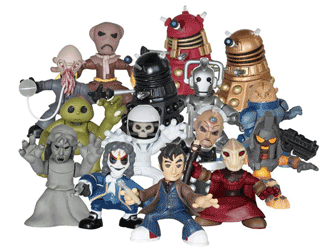
This year, I pondered on 7 ways the UK media scene resembles Doctor Who monsters.
A seemingly recent development in social media has been the 'Twitter mob'. Increased networked interactivity has allowed complaining campaigns to gather ever more momentum from the "Jerry Springer: The Opera" furore to the Brand/Ross phone prank scandal.
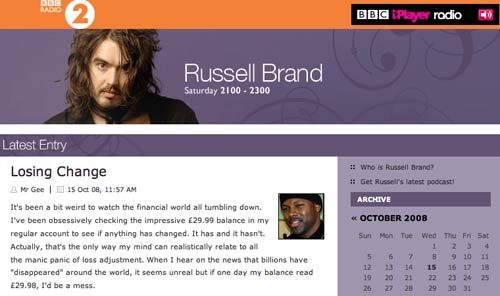
Responding online to these campaigns is tricky to get right, as I blogged about in "BBC fails the online Brand damage limitation test" and "What Jan Moir can teach us about handling an Internet brand crisis".
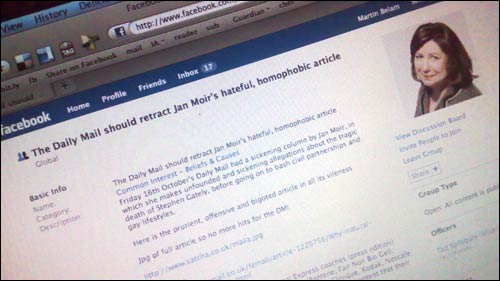
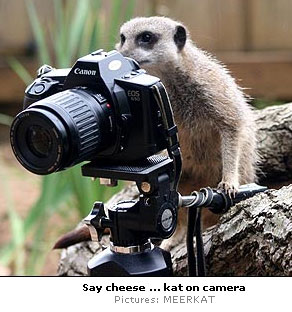
One recurring issues is that savvy Internet users can fact-check articles or do further research on a topic at the click of a Google "I'm feeling lucky" button. These makes it all the more obvious when newspapers omit key facts or fail to retract false claims. The mysterious case of The Telegraph's anonymous columnist who cost the BBC £45,000 is one example. Other posts I've written around this topic include "the Phil Spector Twitter hoax shows online honesty gap between bloggers and newspapers" and "The meerkat photograph hoax review - which UK newspapers admitted online to being duped?".
And there are the moments when 'old media' go beyond failing a 'best practice' test, and into territory where they are just utterly wrong - like lifting uncredited copyright photos from blogs and Flickr and turning them into 'news stories', republishing internet myths about left-handed people, retracting allegations in headlines but not in HTML <TITLE> tags and writing incriminating 'alt text'.
Lots of things that were taken for granted as established practice in the 'old media' world look odd in a connected and networked one. In And on the seventh day... I looked at how separate branding for Sunday newspapers looks like an oddity when sister papers all have the same websites.
And finally, there are the moments when publishers do things on the web or in print that are frankly downright bizarre, like when Woman's Own got a print 'blog' and the Daily Express RSS feeds were in Latin...